Running a busy kitchen in the UK means you’re always looking for ways to save time and money. Sometimes, the simplest solutions are right under your nose, or in this case, already filleted. We’re talking about custom seafood preparation, a smart move that can really make a difference to your bottom line and how smoothly your kitchen runs. It’s about getting fish cut exactly how you need it, right from the start. Let’s look at why this approach, especially with custom seafood preparation UK suppliers, is becoming a go-to for chefs.
Key Takeaways
- Getting fish cut to your exact needs saves time and reduces waste, making your kitchen more efficient.
- Proper filleting means you use more of the fish, cutting down on ingredient costs and improving your profit margins.
- Pre-prepared fish means your team spends less time on basic prep and more time on cooking and plating.
- Using the right tools, like good quality knives, is important for clean cuts, safety, and reducing waste.
- Knowing where your seafood comes from and how it’s handled, including good quality frozen options, helps maintain quality and consistency.
The Economic Advantages of Bespoke Filleting
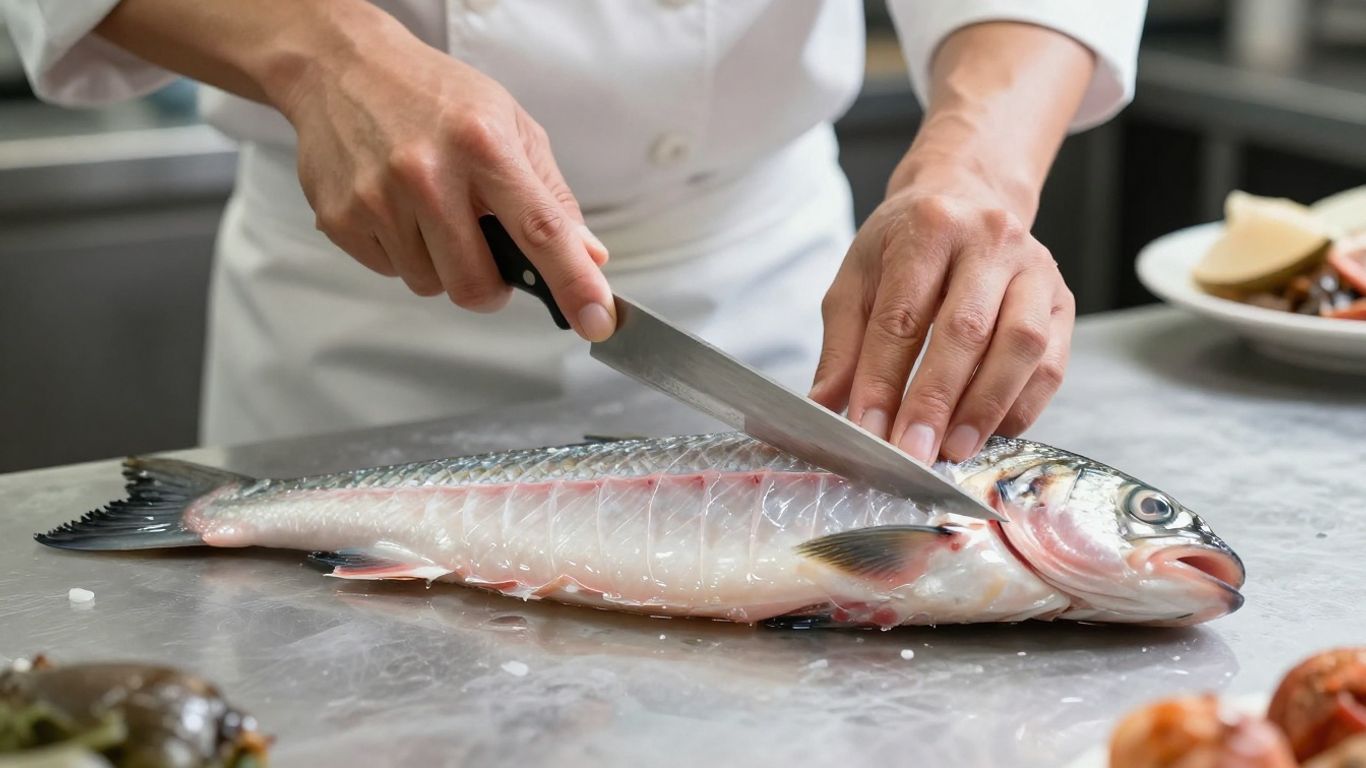
When you’re running a busy kitchen, every penny counts, and that’s where getting your fish prepared just right really makes a difference. Bespoke filleting, meaning getting your fish cut to your exact needs before it even arrives, can seriously cut down on costs and make your life a whole lot easier.
Reducing Ingredient Waste Through Precision Cuts
Think about it: when you get a whole fish or a large side, you’ve got to break it down yourself. This often means a bit of guesswork, and inevitably, some of the good stuff ends up as trim. A skilled fishmonger, however, can make precise cuts that maximise the usable flesh, leaving you with perfectly portioned fillets and minimal waste. This isn’t just about being tidy; it directly impacts your food costs. Less waste means more servings from the same amount of fish, which is a win-win.
Here’s a quick look at how precision cuts help:
- Maximised Yield: Getting the most meat off the bone.
- Reduced Trim Waste: Less going in the bin means more going on the plate.
- Consistent Portions: Easier to price dishes accurately.
Getting fish filleted to your exact specifications from the start means you’re not paying for bones, heads, or excess skin that you’ll just have to discard anyway. It’s about buying only what you need, prepared how you need it.
Optimising Portion Control for Cost Efficiency
Getting your fish pre-portioned is a game-changer for managing costs. Instead of staff having to weigh and cut fillets on the fly, which can lead to inconsistencies, you receive fish already cut to your specified weight. This means every dish you serve has the same amount of fish, making your pricing predictable and your profit margins stable. It also helps in controlling stock more effectively, as you know exactly how many portions you have available.
Minimising Labour Costs with Pre-Prepared Fish
This is perhaps the most significant economic benefit. The time your skilled chefs or kitchen porters spend on filleting, trimming, and portioning fish is time they aren’t spending on other tasks, like cooking, plating, or developing new dishes. By outsourcing this prep work to a specialist supplier, you free up your team. This can mean needing fewer staff for prep, or allowing your existing staff to focus on higher-value activities. For example, a supplier offering a wide variety of prepared seafood can save your kitchen hours of work each week. It’s a simple calculation: less time spent on prep equals lower labour costs and a more efficient kitchen overall.
Enhancing Kitchen Efficiency with Custom Seafood Preparation UK
When you’re running a busy kitchen, every minute counts. Getting fish prepped and ready to go can eat up a surprising amount of time, especially if your team is doing it from scratch. This is where bespoke filleting really shines, making a noticeable difference to how smoothly your kitchen operates.
Streamlining Prep Time for Busy Services
Imagine your chefs not having to spend precious minutes wrestling with whole fish. With custom-cut fillets, that entire step is removed. Fish arrives ready to be portioned, seasoned, and cooked. This significantly cuts down on the prep work needed before service even begins. It means less time spent on basic tasks and more time for the creative and precise cooking that makes your dishes stand out. For example, having your fish supplier provide perfectly portioned fillets means your kitchen staff can focus on plating and final touches rather than the initial, time-consuming filleting process. This is especially helpful during peak hours when speed is of the essence. You can find reliable suppliers who understand these needs, like those serving the South West UK, who offer tailored seafood solutions.
Improving Consistency in Dish Presentation
One of the trickiest things in a kitchen is making sure every dish looks the same, no matter who made it. When fish is filleted to your exact specifications, you get consistent sizes and shapes every time. This makes plating much easier and ensures that your customers receive a dish that looks just as good as the last one. It’s not just about looks, either; consistent portions mean consistent cooking times, leading to better quality food hitting the pass.
Freeing Up Skilled Staff for Higher-Value Tasks
Your most experienced chefs are your most valuable assets. Do you really want them spending hours on repetitive tasks like filleting fish? By outsourcing this to a specialist, you free up your skilled team to focus on more complex cooking techniques, menu development, and supervising junior staff. This not only makes better use of their talents but also helps in training and mentoring the next generation of cooks. It’s about making sure your best people are doing the jobs that truly require their skill and experience, rather than basic prep work.
Getting fish ready for the pan can be a real bottleneck. When you get it cut to order, it’s like a weight is lifted. Your team can get straight to the cooking, and you don’t have to worry as much about whether everyone’s got their portions sorted. It just makes the whole operation run a lot smoother, especially when you’re slammed.
Here’s a quick look at how custom prep helps:
- Reduced Prep Time: Less time spent on raw fish means faster turnaround.
- Consistent Portions: Easier plating and predictable cooking.
- Skilled Staff Utilisation: Chefs focus on cooking, not just cutting.
- Waste Minimisation: Precision cuts mean less fish is thrown away.
The Role of Quality Knives in Custom Seafood Preparation
Right, let’s talk about the tools of the trade. You can have the freshest fish in the world, but without the right knife, you’re going to struggle. It’s not just about having a knife; it’s about having a good one. Think of it like this: trying to carve a delicate fillet with a blunt butter knife is just asking for trouble, isn’t it?
Selecting the Right Filleting Knives
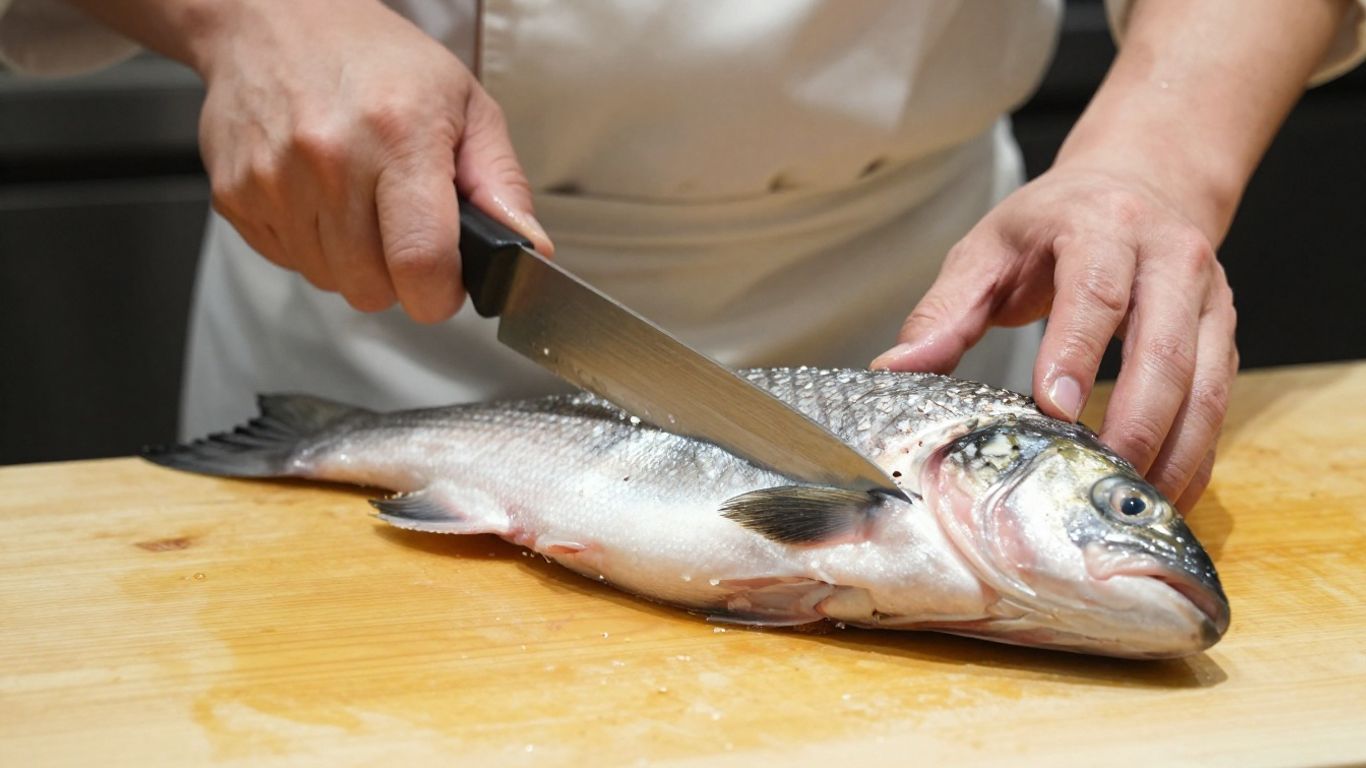
When you’re looking at knives for seafood, you’ll want a few key types. The star of the show for fish is usually the filleting knife itself. These are typically thin and flexible, designed to get right in close to the bone and skin, minimising waste. You’ll also want a good chef’s knife for general prep – chopping herbs, slicing lemon wedges, that sort of thing. And don’t forget a smaller paring knife for those really fiddly bits, like deveining prawns or trimming small fillets.
- Filleting Knife: Thin, flexible blade for precise cuts along bones and skin.
- Chef’s Knife: All-rounder for chopping, slicing, and dicing.
- Paring Knife: Small and agile for detailed work and garnishes.
Maintaining Sharpness for Precision and Safety
This is where a lot of kitchens fall down. A dull knife isn’t just annoying; it’s dangerous. When a knife isn’t sharp, you have to apply more pressure, which means it’s more likely to slip. And nobody wants that. Regular sharpening is non-negotiable. You should be using a honing steel frequently, even daily, to keep the edge true between proper sharpening sessions. It makes a massive difference to how easily and cleanly you can cut.
A sharp knife makes clean cuts. This means less damage to the fish’s flesh, which helps it retain its texture and flavour. It also means you’re less likely to have the knife skid off, which is a common cause of accidents in busy kitchens.
Investing in Durability for Long-Term Value
Okay, so good knives aren’t cheap. I get it. But think of it as an investment. A cheap knife might seem like a bargain initially, but it’ll lose its edge quickly, might chip or bend, and you’ll end up replacing it far sooner than you’d think. A well-made knife, usually from high-carbon stainless steel, will last for years, if not decades, with proper care. When you factor in the cost of constantly buying new ones and the time spent trying to sharpen dull blades, the better quality option actually works out cheaper in the long run. Plus, your chefs will be happier working with tools that do the job properly.
Sourcing and Handling for Optimal Custom Seafood Preparation
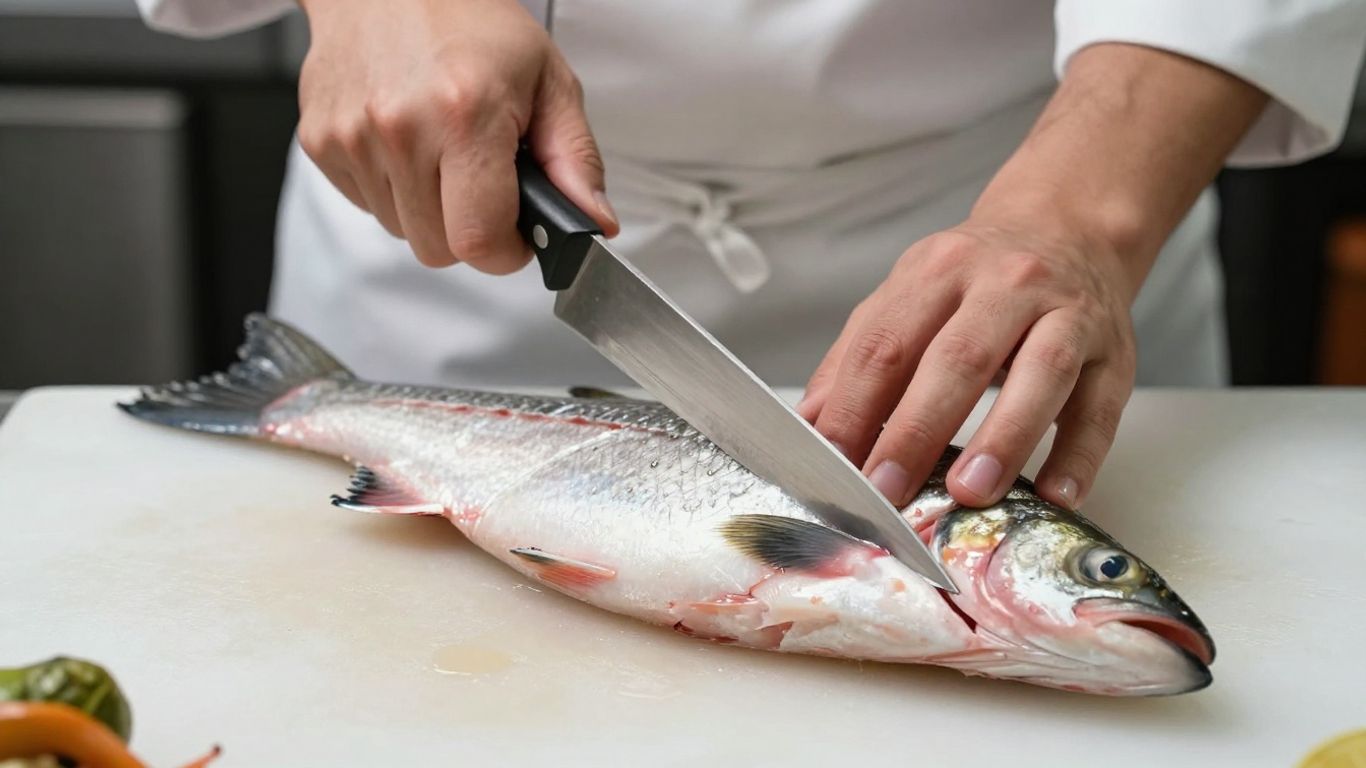
Right, so you’ve got your bespoke filleting sorted, but what about where the fish comes from and how you keep it in tip-top condition? It’s not just about the cutting, is it? Getting the sourcing and handling spot on is pretty much the bedrock of good seafood. Mess this up, and even the best filleting skills won’t save you.
Understanding Traceability and Sustainability
First off, you need to know where your fish is coming from. Traceability means you can track your seafood from the sea right to your kitchen. This isn’t just a nice-to-have; it’s becoming a big deal for customers who want to know their food isn’t contributing to overfishing or dodgy labour practices. Look for suppliers who are open about their sources. Are they using wild-caught fish? If so, is it from a sustainable fishery? Or is it farmed? If farmed, what are their practices like? Knowing this helps you make better choices and also gives you a good story to tell about your dishes.
The Benefits of High-Quality Frozen Options
Now, I know some chefs turn their noses up at frozen fish, but honestly, good quality frozen seafood can be a lifesaver. Especially if you’re in an area where fresh landings are a bit unpredictable, or if you need specific types of fish that aren’t local. The trick is to use high-quality frozen products. Think about it: fish is often frozen at sea, locking in freshness really quickly. It can actually be fresher than ‘fresh’ fish that’s travelled for days. The key is how it’s handled. If it’s thawed properly – slowly, in the fridge, not just chucked in warm water – it can be just as good as fresh. It gives you flexibility with stock and can help manage costs, especially when fresh supplies are scarce or prices are sky-high.
Proper Temperature Control and Storage Techniques
This is where a lot of kitchens slip up. Seafood is delicate, and temperature is everything. Fresh fish should be kept as cold as possible, ideally between 0°C and 3°C. Store it on ice in a container where the meltwater can drain away – you don’t want the fish sitting in water, it just speeds up spoilage. If you’re receiving frozen fish, it should be rock solid, no signs of thawing and refreezing. And for goodness sake, keep raw seafood away from cooked food to avoid cross-contamination. Use separate boards and knives. It sounds basic, but it’s easy to get sloppy when you’re busy.
If there’s any doubt about the freshness or safety of your seafood, just bin it. Seriously. The cost of a bit of fish is nothing compared to the damage a food safety incident can do to your reputation and your customers’ health. Train your staff to trust their senses – sight, smell, touch – and to speak up if something doesn’t seem right. It’s better to be safe than sorry, always.
Here’s a quick rundown on receiving temperatures:
- Fresh Seafood: Should be received at 5°C (41°F) or below.
- Frozen Seafood: Must be solidly frozen. Look out for signs of thawing like ice crystals or a soft texture.
- Storage: Keep fresh seafood between 0°C and 3°C (32°F and 38°F), ideally on ice with drainage.
Elevating Menu Offerings Through Custom Seafood Preparation
Showcasing Freshness and Quality
When you’re getting fish filleted to order, it really lets you show off just how good your ingredients are. Instead of just having whole fish sitting around, you can present perfectly prepared portions. This makes the seafood look much more appealing on the plate and tells customers you care about quality. It’s about making that fresh catch the star of the show, not just another item on the menu. This attention to detail makes a big difference to how people perceive your food.
Accommodating Diverse Culinary Demands
Custom filleting means you can cater to all sorts of requests. Need a specific cut for a particular dish? No problem. Someone wants a thinner fillet for a lighter meal, or a thicker one for a more substantial plate? You can do that. It also helps with dietary needs; for instance, preparing a fish fillet without any skin or bones for someone who prefers it that way. It’s about flexibility and making sure every customer gets exactly what they’re looking for.
Ensuring Consistent Flavour Profiles
Getting the fish cut precisely every time means the cooking process is more predictable. When fillets are the same size and thickness, they cook evenly. This consistency is key to making sure a dish tastes the same, no matter who orders it or when. It stops those moments where one plate is perfect and the next is a bit off. For chefs, this means you can rely on your seafood to perform consistently, dish after dish, which is a huge help during busy services.
Want to make your menu stand out with amazing seafood dishes? We can help you prepare fish in special ways to impress your customers. Discover how we can elevate your food offerings. Visit our website today to learn more!
Wrapping Up: Smarter Prep, Better Business
So, there you have it. Getting your seafood prepped just right, whether that’s through custom filleting or smart sourcing of quality frozen options, really does make a difference. It’s not just about having nice-looking fish on the plate, though that’s important. It’s about saving precious time in the kitchen, cutting down on waste, and ultimately, making your operation run a bit smoother and a lot more profitably. Think about the hours saved, the consistency gained, and the happier staff. It all adds up. Investing a little thought into how your seafood arrives and how it’s handled from the get-go can pay off in more ways than you might expect.
Frequently Asked Questions
What exactly is ‘bespoke filleting’ and why is it good for kitchens?
Bespoke filleting means cutting fish exactly how a chef needs it, rather than just getting a standard fillet. It’s great because it means less waste, perfect portion sizes for dishes, and saves kitchen staff a lot of time preparing the fish themselves. This means they can focus on cooking and making the food taste amazing.
How does having fish cut to order help save money?
When fish is cut precisely for a specific dish, you use almost all of it, so less gets thrown away. Also, you get exactly the amount of fish needed for each plate, which stops you from using too much and spending more than you need to. It also means your team spends less time chopping and trimming, saving on labour costs.
Is it better to use fresh fish or frozen fish for custom cuts?
Both fresh and good quality frozen fish can be great for custom cuts. Fresh fish is wonderful when it’s in season and readily available. However, high-quality frozen fish is also a smart choice. It’s often more affordable, stays fresh for longer if stored properly, and can be defrosted and cut exactly when you need it, giving you more flexibility.
What kind of knives are best for cutting fish precisely?
For precise fish cutting, you’ll want a sharp filleting knife. These knives usually have a thin, flexible blade that makes it easy to get close to the bones and skin, creating clean cuts. Keeping your knives really sharp is super important for safety and for making neat cuts that reduce waste.
How can custom fish preparation make dishes look better?
When fish is filleted to your exact needs, each piece is usually a consistent size and shape. This makes it much easier for chefs to plate up dishes that look neat and professional. Diners eat with their eyes first, so having beautifully presented food makes the whole meal more enjoyable.
Does using custom-cut fish help with sourcing and sustainability?
Yes, it can! When you know exactly what you need, you can work with suppliers who can provide fish that is traceable and caught or farmed sustainably. This means you can be more confident about where your fish comes from and that it’s being sourced responsibly, which is increasingly important for customers.