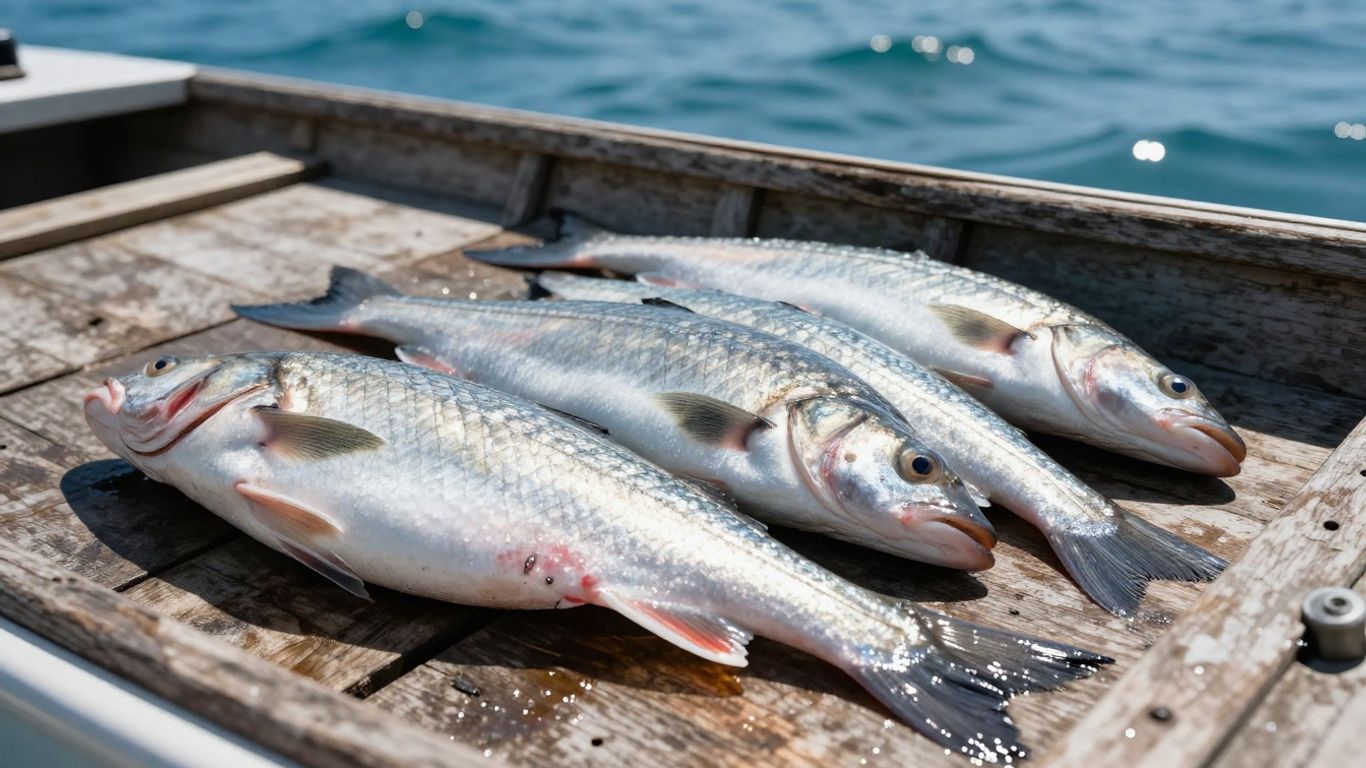
Right then, let’s talk about eating fish around Devon and Cornwall. It’s a bit of a minefield sometimes, isn’t it? You want something tasty, but you also don’t want to be part of the problem. This guide is all about helping you figure out what seasonal fish South West waters have to offer and how to get it without messing things up for the future. Think of it as a friendly chat about making better choices when you’re at the market or ordering in a restaurant.
Key Takeaways
- Mackerel and Bass are great spring catches in the South West, super versatile for cooking.
- Pollack and Sea Bream are summer stars, offering delicious options from local waters.
- John Dory and various flatfish are autumn’s bounty, bringing rich flavours to your table.
- Hake and Turbot are excellent choices for a sustainable winter seafood meal.
- Look for certifications like MSC, but also trust local knowledge to pick truly sustainable fish.
Seasonal Fish South West: Spring Delights
Springtime in Devon and Cornwall brings a welcome freshness to our waters, and with it, some fantastic fish species that are at their best. It’s a great time to start thinking about what’s on offer locally and how we can enjoy it sustainably.
Spotlight on Mackerel
Mackerel are a real spring star. These oily fish are packed with flavour and nutrients, and they tend to be abundant in the waters off the South West coast as the weather warms up. They’re often caught using methods like pelagic trawling or hand lines, which are generally considered more sustainable when managed properly.
Mackerel are at their peak in spring and early summer, making them a perfect seasonal choice. They have a rich, distinct taste that works wonderfully grilled, smoked, or even lightly pickled. Because they’re so plentiful, they’re also usually a very affordable option.
Here’s a quick look at what makes mackerel a great spring catch:
- Abundance: Stocks are generally healthy and plentiful in spring.
- Nutritional Value: Rich in Omega-3 fatty acids.
- Versatility: Excellent grilled, baked, smoked, or in pâtés.
- Sustainability: Often caught using methods with lower environmental impact.
When you see mackerel in the market, especially those with clear eyes and a fresh, sea-like smell, you know you’re getting something good. They don’t keep for long, so it’s best to cook them soon after buying.
The Versatility of Bass
Sea bass, or ‘bass’ as it’s commonly known, is another fish that really comes into its own in the spring. While you can find bass year-round, the fish caught in the warmer months tend to be in prime condition. They prefer the slightly warmer waters found along the coasts of Devon and Cornwall, often lurking around rocky areas and estuaries.
Bass are a more delicate fish than mackerel, with a lovely, subtle flavour. They’re fantastic simply pan-fried, baked in parchment paper with some herbs, or even grilled. Because they are a popular fish, it’s important to look for bass that have been caught using responsible methods. Look out for lines caught or pot-caught bass, as these tend to have less impact on the seabed and other marine life.
- Seasonality: Best from spring through to autumn.
- Flavour Profile: Mild, slightly sweet, and delicate.
- Cooking Methods: Pan-frying, baking, grilling, poaching.
- Sustainable Catch: Prioritise line-caught or pot-caught.
Choosing these seasonal spring catches not only means you’re getting the freshest, most flavourful fish but also supporting local fisheries that are working hard to manage their stocks responsibly. It’s a win-win for your plate and the ocean.
Summer Catches in Devon and Cornwall
Summer in Devon and Cornwall brings a fantastic array of seafood to our shores. The warmer waters mean certain species really come into their own, offering both delicious flavours and a chance to support local, sustainable fishing practices. It’s a great time to explore what the South West has to offer.
The Bounty of Pollack
Pollack, often mistaken for its more famous cousin, the bass, is a truly wonderful fish that thrives in these waters during the summer months. It’s a firm, white fish with a delicate flavour that works brilliantly with simple cooking methods. Think pan-fried with a squeeze of lemon, or baked with herbs. It’s a fantastic, often more affordable, alternative to bass and just as satisfying. You’ll find pollack caught using methods like hook and line, which is great for minimising impact on the seabed and ensuring a high-quality catch.
Here’s a quick look at why pollack is a summer star:
- Availability: Abundant in South West waters during summer.
- Taste: Mild, slightly sweet, and firm texture.
- Sustainability: Often caught using selective, low-impact methods.
- Versatility: Great for frying, baking, or grilling.
Exploring Sea Bream
Sea bream is another summer highlight, known for its distinctive, slightly sweet flavour and flaky texture. There are a few types you might encounter, but the Gilthead Sea Bream is particularly prized. It’s a beautiful fish, and when it’s in season, it’s a real treat. It holds up well to various cooking techniques, from grilling whole over charcoal to filleting and pan-searing. The key is to let its natural flavour shine through. Choosing sea bream from local suppliers that can tell you about their catch methods is always a good bet.
When you’re choosing sea bream, look for fish with bright, clear eyes and firm, shiny skin. A clean, fresh smell, reminiscent of the sea, is also a good sign. These indicators help ensure you’re getting the freshest possible fish for your meal, making all the difference to the final dish.
Summer is the perfect time to enjoy these seasonal catches. Whether you’re a keen cook or just enjoy eating out, seeking out pollack and sea bream when they’re at their best means you’re getting top-quality seafood while supporting the fishing communities of Devon and Cornwall.
Autumn’s Finest Seafood
As the leaves turn golden and a crispness fills the air, the waters off Devon and Cornwall offer up some truly special catches. Autumn is a fantastic time for seafood lovers, bringing a different set of flavours to our tables. It’s when some of our favourite species are at their best, making them perfect for a variety of dishes.
The Richness of John Dory
John Dory, with its distinctive look and delicate, white flesh, is a real treat that often appears more frequently in the autumn months. It’s a fish that doesn’t need much fuss; its subtle, sweet flavour shines through with simple cooking methods. Pan-searing the fillets until the skin is crisp is a popular way to enjoy it, often served with seasonal vegetables or a light sauce. Because it’s not as commonly found as some other fish, it feels a bit more special when you do manage to get your hands on some.
Seasonal Flatfish
Autumn also sees a good variety of flatfish making their way to our shores. Think of species like Plaice and Sole, which are often at their peak during this time. These fish are wonderfully versatile. Plaice, for instance, has a mild, slightly sweet taste and a tender texture that works well whether it’s baked, fried, or even poached. Sole is a bit more refined, with a delicate flavour that pairs beautifully with butter and lemon.
Here’s a quick look at what you might find:
- Plaice: Mild, slightly sweet, flaky white flesh. Great for pan-frying or baking.
- Sole: Delicate, subtle flavour, fine texture. Excellent with simple sauces.
- Turbot: (Though sometimes more of a winter star, it can be found in autumn too!) A firm, meaty white fish with a rich flavour.
When choosing any fish, especially flatfish, always look for bright, clear eyes and firm flesh that springs back when you gently press it. A fresh sea smell is also a good sign. Asking your fishmonger about where and how it was caught is always a good idea, especially if you’re aiming for sustainability.
These autumn catches are a reminder of the bounty our local waters provide. Making the most of seasonal fish not only means you’re getting the best flavour but also supporting local fishermen who are working hard to bring these sustainable options to our plates.
Winter’s Sustainable Harvest
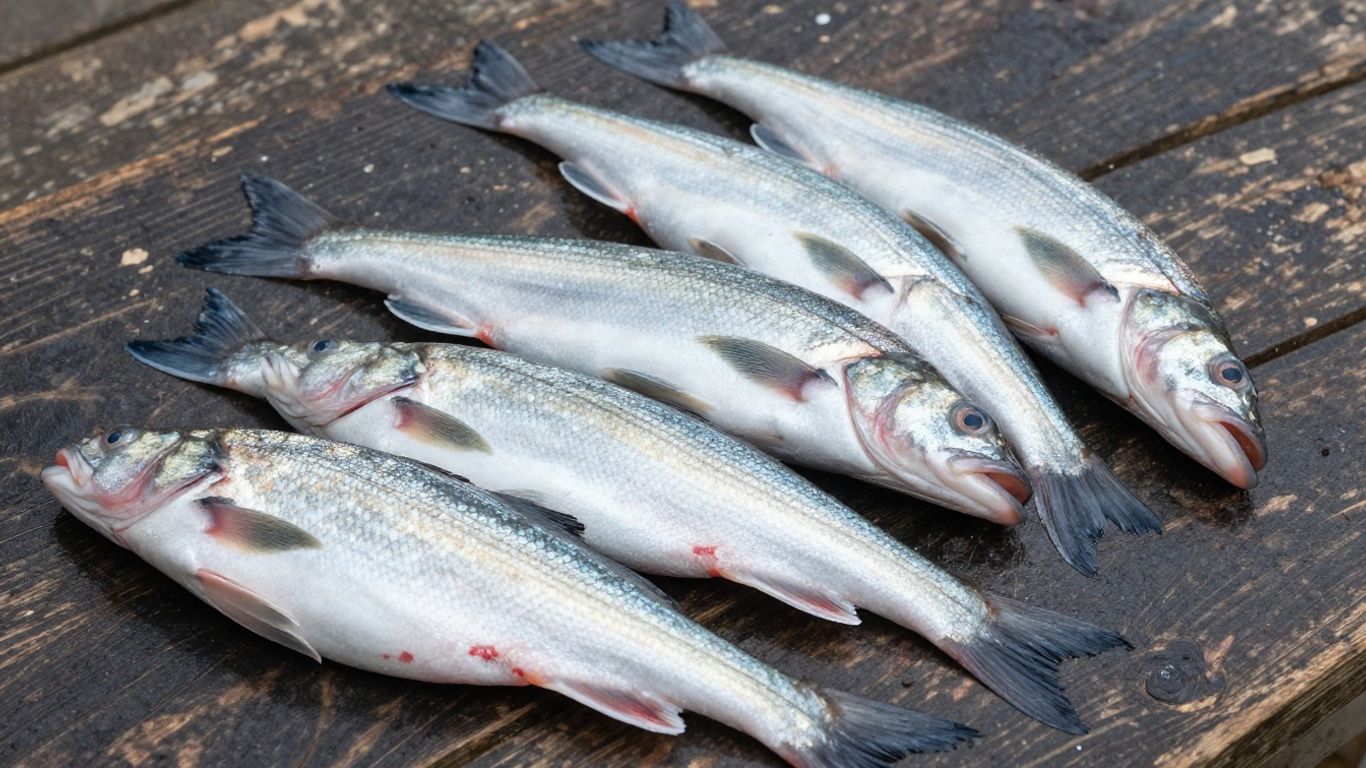
As the colder months settle in, the waters off Devon and Cornwall continue to offer up some truly fantastic seafood. It’s a time when certain species, often overlooked during the busier summer months, really shine. Focusing on these winter catches means supporting fisheries that often operate with lower impact and greater care for the marine environment.
The Enduring Appeal of Hake
Hake is a wonderfully versatile white fish that’s often available year-round, but it’s particularly good in the winter. You’ll find it’s a firm, flaky fish with a mild flavour, making it a favourite for many chefs and home cooks alike. It’s great pan-fried, baked, or even in a hearty stew.
When sourcing hake, look for fish caught using gill netting or handline methods. These techniques are much kinder to the seabed and tend to be more selective, meaning less unwanted catch.
Discovering Turbot
Turbot, often called the ‘king of the flatfish’, is another winter gem. This is a truly special fish, with a rich, buttery flavour and a firm texture that holds up well to cooking. It’s a bit of a luxury, but worth seeking out when you can.
Because turbot can be found closer to the seabed, methods like diver collection or hand collection are ideal for sourcing it sustainably. These methods have a minimal impact on the surrounding environment and allow for careful selection of the fish.
Here’s a quick look at some sustainable winter catches and how they’re typically landed:
| Fish Species | Best Season | Sustainable Methods |
|---|---|---|
| Hake | Autumn-Spring | Gill Netting, Handline |
| Turbot | Winter-Spring | Diver Collected, Hand Collection |
Choosing fish that are in season and caught using responsible methods isn’t just good for the environment; it often means you’re getting the freshest, most flavourful fish available. It’s about appreciating what the sea offers us at different times of the year and making choices that help keep those resources healthy for the future.
Sustainable Fishing Methods for South West Species
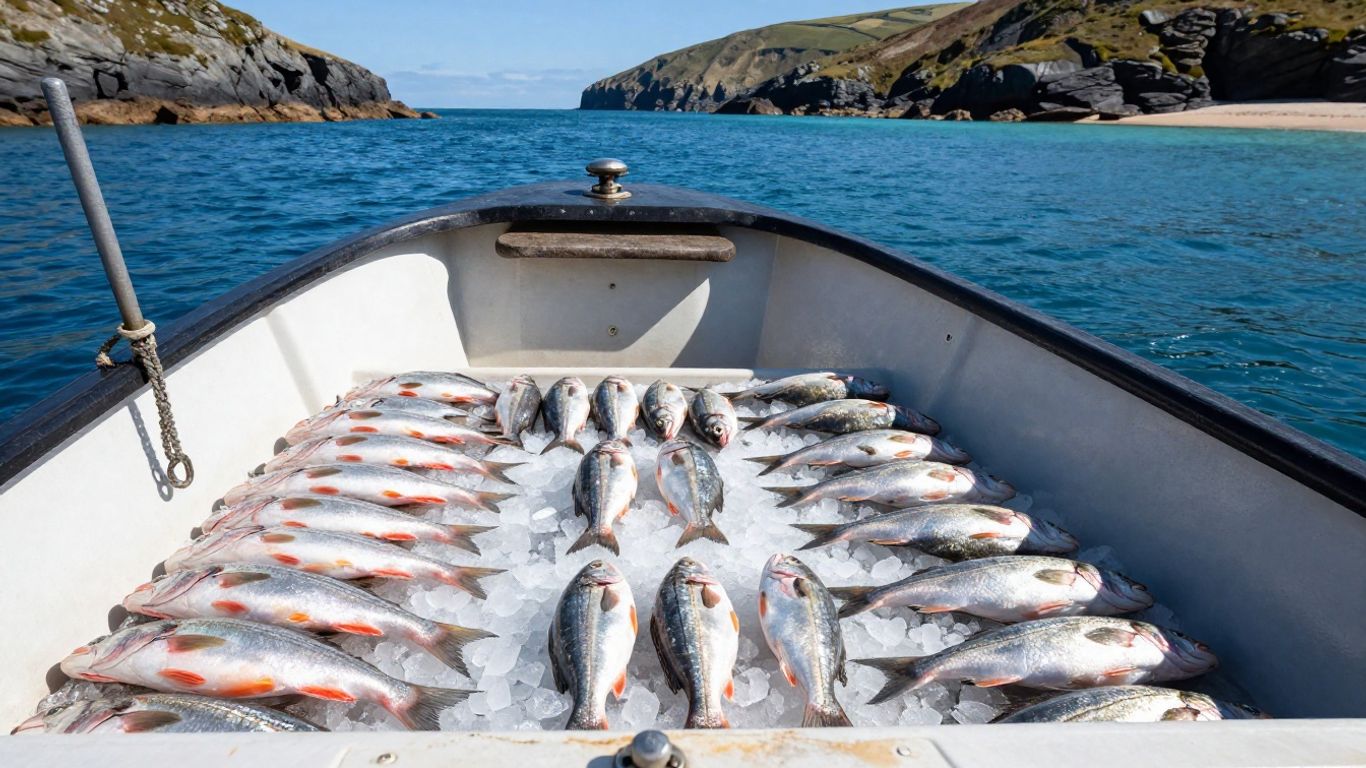
When we talk about eating fish from the waters around Devon and Cornwall, it’s not just about what’s in season, but also how it was caught. Different fishing methods have a big impact on our seas, and choosing wisely makes a real difference. We want to support practices that keep fish populations healthy and protect the marine environment for the future.
The Benefits of Hook and Line
This is a method that’s really close to our hearts. Basically, it involves using individual hooks and lines to catch fish, one by one. Think of handlining for mackerel – it’s a classic example. The beauty of this approach is its selectivity. It means that fishers can target specific species, and if they accidentally catch something too small or not what they were looking for, it can be put back safely. This minimises what’s called bycatch – that’s when you catch other sea life that wasn’t the intended target. It also means that undersized fish, or even fish that are spawning, are less likely to be taken, giving populations a better chance to grow and reproduce.
- Minimises bycatch: Catches only the target species, reducing harm to other marine life.
- Protects juvenile fish: Undersized fish can be returned to the sea unharmed.
- Supports healthy stocks: Less disruption to breeding cycles and overall population numbers.
While no fishing method is entirely without impact, hook and line fishing comes pretty close to being a gentle way to harvest the sea’s bounty. It’s about taking what you need without damaging the wider ecosystem.
Responsible Potting Practices
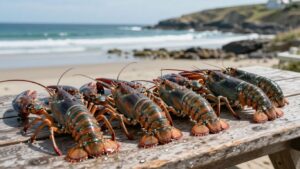
Potting is another method we look favourably upon, especially for shellfish like crabs and lobsters. It uses baited pots that are placed on the seabed. These pots are designed to catch the target shellfish, and importantly, they allow other creatures to escape. This makes it a very selective way to fish.
However, like anything, it needs to be managed properly. If too many pots are used, or if they aren’t checked regularly, it can still lead to overfishing. There’s also the issue of lost or discarded pots, which can become a hazard for marine life, sometimes called ‘ghost fishing’. We also need to be mindful of the welfare of intelligent creatures like octopus, which can be kept in pots for extended periods.
- Selectivity: Pots are designed to catch specific species, letting others go free.
- Seabed impact: Generally causes less disturbance to the seafloor compared to methods like trawling.
- Management is key: Requires strict quotas and careful monitoring to prevent overfishing and lost gear.
We always try to work with fishers who are committed to using biodegradable pots and who put back any spawning females. It’s these kinds of thoughtful practices that help ensure we can enjoy these delicious shellfish for years to come.
Choosing Sustainable Seafood
So, you’ve decided you want to eat more sustainably caught fish from the South West. That’s brilliant! But how do you actually know what’s what? It can feel a bit like a minefield sometimes, can’t it? The key is to look for clear signs and ask the right questions.
Understanding Certifications
Certifications are basically like a stamp of approval, telling you that a fishery has met certain standards for sustainability. The most well-known one you’ll see is the Marine Stewardship Council (MSC) blue label. If you see that on your fish, it means it’s come from a fishery that’s managed well, doesn’t overfish, and tries its best not to harm the environment. It’s a good starting point, for sure.
However, it’s worth remembering that not all great fisheries are certified. Sometimes, smaller, local operations might not have the resources to go through the certification process, even if they’re doing a fantastic job. It’s a bit like how some amazing little cafes don’t have fancy awards but make the best coffee.
The Importance of Local Knowledge
This is where knowing your fishmonger or restaurant comes in handy. Local knowledge is often just as good, if not better, than a certificate. People who work directly with the fishing communities in Devon and Cornwall will know which boats are using responsible methods, which species are abundant, and when they’re in season. They’ll know if a particular catch was made using hook and line, which is generally much kinder to the environment than some other methods.
Think about it: your local fishmonger sees the boats coming in every day. They know the skippers and their practices. They can tell you if the pollack landed this morning was caught by a boat that respects the quotas and avoids damaging gear. That kind of information is gold dust for making a truly sustainable choice.
Here are a few things to keep in mind when talking to your fishmonger or chef:
- Ask about the fishing method: Was it caught using a net, pots, or line? Hook and line is often a good sign.
- Inquire about the species: Is it a fish that’s currently abundant in our waters, or is it one that’s under pressure?
- Check the season: Is this fish typically caught around this time of year in the South West?
- Where was it caught? Knowing it’s from local waters is a big plus.
Making informed choices about seafood doesn’t have to be complicated. By combining an awareness of recognised certifications with the invaluable insights from local experts, you can confidently select fish that tastes great and supports the health of our oceans and coastal communities for years to come. It’s about making small, conscious decisions that add up.
Picking seafood that’s good for the planet can feel tricky. But don’t worry, it’s easier than you think to make smart choices. We want to help you understand which fish are best for the environment. Want to learn more about making sustainable seafood choices? Visit our website for all the details and tips!
Wrapping Up: Your Sustainable Seafood Journey
So, there you have it. Choosing fish from Devon and Cornwall waters that’s good for the planet and tastes amazing isn’t as tricky as it might seem. By keeping an eye on what’s in season and where it comes from, you’re already doing a great job. Remember those labels, ask your fishmonger questions, and don’t be afraid to try something new – you might just discover your next favourite meal. It’s all about making small, smart choices that add up, helping keep our seas healthy and our local fishing communities thriving for years to come. Happy sustainable eating!
Frequently Asked Questions
What does ‘seasonal fish’ mean?
Seasonal fish means fish that are caught during their natural breeding or feeding times. Eating fish when it’s in season means it’s more plentiful, often tastes better, and is usually more affordable. It also helps make sure fish populations stay healthy for the future.
Why is it important to choose sustainable fish?
Choosing sustainable fish means you’re picking seafood that hasn’t been overfished. This helps protect ocean life and ensures there are enough fish for years to come. It’s like making sure we don’t eat all the apples from a tree in one go, so there are more next year.
How can I tell if fish is sustainable?
Look for labels like the Marine Stewardship Council (MSC) blue tick. You can also ask your fishmonger where the fish came from and how it was caught. Local knowledge is great – if a fish is abundant and caught using good methods, it’s usually a safe bet.
What are some good sustainable fishing methods?
Methods like hook and line fishing, where fish are caught one by one, are very sustainable. Responsible potting for shellfish is also good because it doesn’t harm the seabed. These methods catch fewer unwanted fish (bycatch) and are kinder to the environment.
Are fish caught in Devon and Cornwall waters sustainable?
Many fish caught in Devon and Cornwall waters are sustainable, especially when caught using methods like handlining for mackerel or potting for crabs. It’s always best to check with your supplier or look for local guides that rate the sustainability of different species.
What should I do to be more sustainable when cooking fish?
Try to use as much of the fish as possible to avoid waste. Choose fish that are in season and caught using sustainable methods. Simple cooking methods that bring out the natural flavour are often the best and most sustainable.