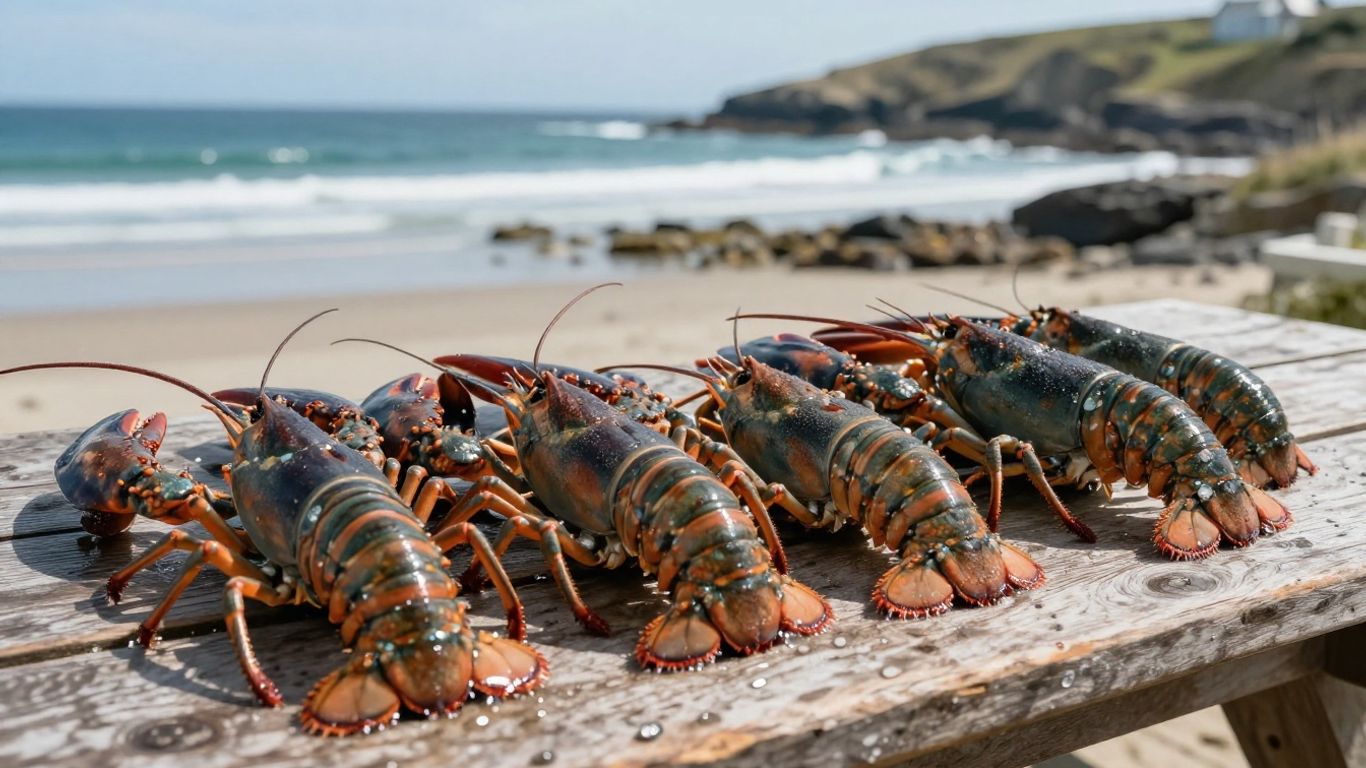
Cornwall’s coast is buzzing with activity, and not just from the waves. There’s a real surge in fresh lobster and mussel farming happening, and it’s pretty exciting. This isn’t just about getting more seafood onto our plates; it’s about doing it smartly and sustainably. We’re seeing some brilliant new ideas pop up, all aimed at making sure we can enjoy these delicious local catches for years to come. It’s a great time to be thinking about what’s on our plates, especially when it comes from right here in Cornwall.
Key Takeaways
- Cornwall is leading a charge in sustainable shellfish farming, particularly for lobsters and mussels, to meet rising demand.
- Innovations in aquaculture, like offshore mussel farms and lobster stock enhancement, are key to this growth.
- Collaboration between farmers, hatcheries like the National Lobster Hatchery, and research bodies is driving progress and new species development.
- Direct sales and local charm are becoming more important, with fishermen like those in Newquay connecting directly with consumers.
- The unique environment of Cornwall contributes to the high quality and ‘terroir’ of its seafood, making it a sought-after product for chefs and diners alike, supported by a strong network of seafood supplier Cornwall businesses.
Cornwall’s Aquaculture Revolution: A Sustainable Seafood Future
It feels like Cornwall is really stepping up its game when it comes to seafood, especially with lobster and mussels. With wild fish stocks getting a bit shaky, farming them in a smart way, or aquaculture, is becoming a really big deal. It’s not just about getting more food from the sea; it’s about doing it in a way that doesn’t mess things up for the future. This shift is helping Cornwall become a leader in sustainable seafood production.
Innovations in Lobster and Mussel Farming
Farming mussels offshore, like Gary Rawle at a leading Cornish mussel farming operation, has been a game-changer. Instead of just hoping mussels find a good spot on the seabed, they hang ropes in the water. This creates a safe space for them to grow, away from predators. The water quality out at sea is also much better than in rivers, which can get a bit murky. This means the mussels are bigger and cleaner, and chefs love that they come ‘chef-ready’. It’s a clever way to get a consistent, high-quality product.
For lobsters, the National Lobster Hatchery (NLH) is doing some really interesting work. They’re using methods similar to mussel farming, which means the lobsters can feed on natural organisms in the water. This is a much cheaper and more sustainable way to raise them compared to traditional land-based farms that need constant feeding. They’ve even got a project called Lobster Grower 2, working with universities and research groups, to help boost wild lobster numbers.
The Role of Collaboration in Shellfish Cultivation
What’s really striking is how much everyone is working together. Gary’s mussel farm, for instance, is also a site for the National Lobster Hatchery’s projects. They’re sharing knowledge and space, which is a win-win. The NLH gets a place to grow lobsters, and Gary gets to be part of cutting-edge research. This kind of teamwork is vital for figuring out new ways to farm different species and improve existing methods. It’s not just one company doing its own thing; it’s a whole community effort.
Addressing Challenges in Marine Farming
Of course, it’s not all smooth sailing. Setting up these farms can face objections from people who worry about how they’ll look or affect other activities, like sailing. But as Gary’s experience shows, when done properly, these farms can become accepted and even welcomed. The key is to farm responsibly and show that aquaculture can work alongside traditional fishing. Plus, with wild fish stocks under pressure, finding sustainable alternatives like shellfish farming is more important than ever. It’s about making sure we can all enjoy seafood for years to come.
The drive towards aquaculture in Cornwall isn’t just about meeting demand; it’s a thoughtful response to environmental pressures. By developing innovative farming techniques and fostering strong partnerships, the region is building a more resilient and sustainable seafood industry. This approach benefits not only the local economy but also contributes to the health of our marine ecosystems.
Meeting the Growing Demand for Cornish Lobster
The National Lobster Hatchery’s Contribution
The National Lobster Hatchery (NLH), based in Padstow, is doing some really interesting work to help boost our wild lobster populations. They’re not just raising lobsters; they’re actively working on stock enhancement programmes. This means they’re releasing specially grown juvenile lobsters back into the sea to help the natural numbers. It’s a bit like giving nature a helping hand, and it’s crucial when you consider how much pressure wild fish stocks are under globally. The NLH has even partnered with Gary Rawle of Westcountry Mussels [consider replacing with a neutral reference or removing direct promotion of this named third-party supplier] on a project called Lobster Grower 2. This collaboration uses a clever, low-input method, similar to mussel farming, where the lobsters feed on natural organisms in the water. This cuts down on the usual high costs associated with land-based aquaculture, making it a more sustainable and viable approach.
Sustainable Stock Enhancement Programmes
These programmes are really the backbone of ensuring we have lobsters for years to come. The NLH, for instance, has deployed over 25,000 juvenile lobsters from their hatchery into the sea. They’ve got multiple lines in the water, each holding tens of thousands more. The idea is to grow these lobsters in a controlled environment, making them stronger and healthier before they’re released. This isn’t just about numbers; it’s about releasing ‘environmentally enriched’ lobsters. It’s a win-win situation: the NLH gets to contribute to wild stock recovery, and partners like Westcountry Mussels get to explore new aquaculture methods. It’s a smart way to manage resources and ensure a future for this iconic crustacean.
Consumer Appetite for Premium Shellfish
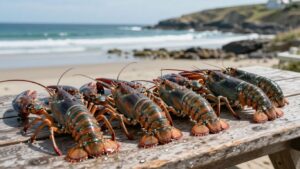
Let’s be honest, Cornish lobster is a bit of a delicacy, isn’t it? People love it. There’s a real demand for high-quality, sustainably sourced seafood, and Cornish lobster definitely fits the bill. Even during the tough times of the pandemic, people were looking for ways to enjoy good food at home, and direct sales from fishermen really took off. Businesses like a local shellfish direct-sales operation in Newquay saw queues forming for their fresh catches. They’ve even started offering barbecue packs – imagine getting a couple of lobsters, crabs, and prawns straight from the boat to your barbecue! It’s this direct connection, knowing where your food comes from and that it’s been caught or farmed responsibly, that really appeals to consumers today. Chefs are also keen to showcase the best local produce, and Cornish lobster is always a star on the menu.
Westcountry Mussels: A Cornish Success Story
From Estuary to Offshore: The Evolution of Mussel Farming
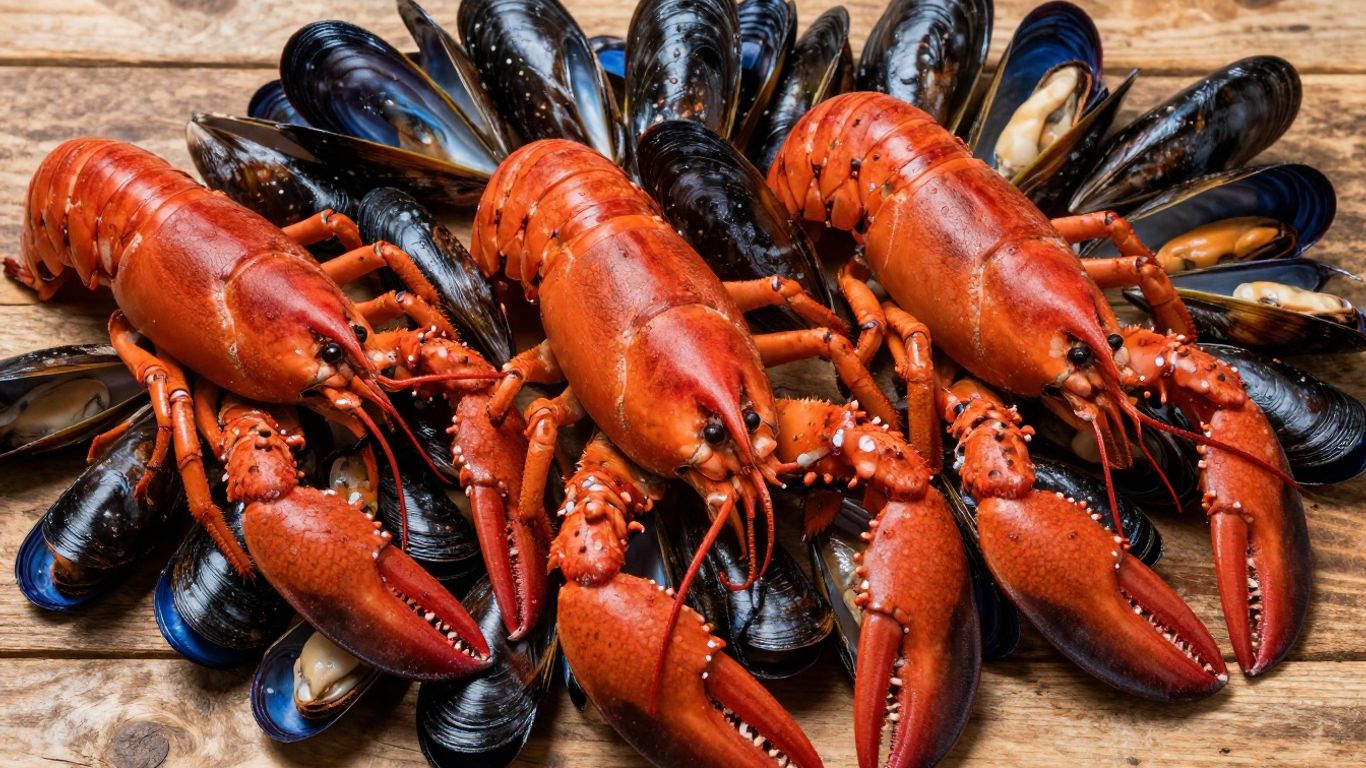
It wasn’t that long ago that mussel farming in Cornwall was mostly confined to estuaries. While this provided a starting point, it came with its own set of headaches. Water quality could be a bit unpredictable, especially after a good storm, and there were limits on how much you could actually grow. Gary Rawle, a name synonymous with Cornish aquaculture, saw this and thought, "There has to be a better way." He started out with his first farm in the Fowey River, but soon realised that to get the really top-notch mussels people wanted, he needed to head further out to sea. It was a big move, requiring a lot of research and a bit of a leap of faith, but it paid off.
The ‘Terroir’ of Cornish Mussels
What makes Cornish mussels so special? Well, it’s a bit like wine, really. The conditions out in St Austell Bay are just right. The water temperature stays pretty consistent, and it’s cleaner than in the rivers. This means the mussels grow faster and, importantly, they grow better. They develop plump, flavourful meat with thinner shells, which is exactly what chefs and home cooks are looking for. This ‘terroir’ – the unique environment – gives Cornish mussels a distinct quality that sets them apart. It’s not just about where they’re grown, but how they’re grown, using ropes suspended in the water column. This method creates a sort of underwater reef, attracting other sea life and making the whole area more productive.
Chef-Ready Produce for Discerning Palates
One of the biggest advantages of the offshore farming method is the quality of the final product. Gary’s operation, Westcountry Mussels, doesn’t just grow mussels; they prepare them. They clean them thoroughly, meaning they arrive at restaurants and markets ready to go. This saves valuable time for chefs who are often working under pressure. It’s about providing a premium product that’s easy to use. This focus on quality and convenience has seen Cornish mussels appearing on the menus of some of the UK’s most respected eateries. It’s a testament to the hard work and innovation that has gone into making Cornish mussels a real success story.
Here’s a look at the scale of the operation:
| Feature | Detail |
|---|---|
| Farm Size | Approx. 70 football pitches |
| Rope Length | 300 miles |
| Annual Production | Enough for 1.5 million portions of moules marinières |
| Water Temperature (Winter) | Around 10°C |
| Water Temperature (Summer) | Around 18°C |
The move offshore was a game-changer, allowing for faster growth and superior quality compared to traditional estuary farming. This focus on environmental conditions and preparation has made Westcountry Mussels a sought-after supplier for top chefs across the country.
It’s not just about the mussels, either. Gary’s site has also been a pilot for breeding juvenile lobsters, showing the potential for diverse aquaculture in the region. This kind of forward-thinking approach is what’s needed to keep the seafood industry thriving. If you’re looking for top-quality shellfish, you can’t go far wrong with Cornish seafood suppliers.
The Science Behind Cornish Shellfish
It’s pretty amazing how much science is actually going into the shellfish we enjoy here in Cornwall. It’s not just about chucking some ropes in the sea and hoping for the best, though that’s part of it. There’s a whole lot of research and smart thinking happening to make sure we can keep eating delicious lobster and mussels for years to come.
Partnerships with Research Institutions
Lots of clever people from places like the University of Exeter and Falmouth University are working with local businesses. They’re looking at things like how to grow lobsters more efficiently. For example, the National Lobster Hatchery has a project called Lobster Grower 2. They’re using methods similar to mussel farming, which means the lobsters can eat natural bits in the water instead of needing expensive feed. This is a big deal for making lobster farming more sustainable. They’ve already put thousands of young lobsters into the sea this way.
Aquaculture as a Solution to Declining Fish Stocks
We all know that wild fish stocks aren’t doing so great globally. The numbers show that a lot of fish populations are either fully used or overused. That’s where aquaculture, or fish farming, comes in. It’s seen as a really important way to meet the growing demand for seafood without emptying the oceans. Mussels are particularly good for this. They don’t need feeding, they grow fast, and their farms can actually create habitats that attract other sea life. It’s a bit of a win-win for the environment.
The Future of Species Development in Cornwall
Cornwall is becoming a bit of a hub for trying out new ideas in marine farming. Businesses are open to working with scientists to test growing different species. They’re even trialling growing seaweed alongside mussels. The goal is to stay at the forefront of what’s possible in our oceans. It’s all about finding new, sustainable ways to farm the sea and introduce more variety to our plates, while also helping the local economy. It’s a real team effort, with farmers showing scientists how to work at sea, and scientists helping farmers with new techniques.
The way shellfish are farmed here is changing rapidly. It’s not just about tradition anymore; it’s about using science to make sure we have a healthy supply for the future. This means better quality produce for us and a healthier ocean for everyone.
Direct Sales and Local Charm: The Fisherman’s Perspective
Tizzardlee-on Shellfish [consider replacing with a neutral or anonymised reference to a local fisherman’s direct-sales operation]: A New Venture
Daniel Gilbert, a fisherman from Newquay, has found a unique way to connect directly with seafood lovers. His business, Tizzardlee-on Shellfish, started almost by accident when his brother, who initially set it up, decided the customer service side wasn’t for him. Daniel, however, took to it, and it’s grown from there. The whole idea really kicked off during the pandemic when restaurants and fishmongers were closed, and people were desperate for fresh, local catches. Daniel remembers the early days vividly: "We had a humongous queue for the fish, I mean my jaw just dropped when I looked up from the boat." He even managed to get some big names on board, like local chefs and food businesses, who were really impressed with his lobsters.
These days, Daniel still gets regular orders from locals who find him on Facebook, and he also sells directly at the Cornish fish markets. Visitors to Newquay often stop by too. He genuinely enjoys chatting with people about his trips out at sea. "People always ask if they can come out with us as well," he laughs, and he’s even taken PhD students and Netflix crews out on his boat. It seems everyone’s curious about the fishing life!
The Impact of the Pandemic on Local Seafood
The pandemic certainly changed things for fishermen like Daniel. With traditional sales channels disrupted, direct-to-consumer sales became a lifeline. This shift meant fishermen had to adapt quickly, not just to catching fish, but also to managing sales, marketing, and customer relationships. The demand for fresh, local produce surged as people spent more time at home and sought out quality food. This period highlighted the resilience of small-scale fishing operations and their ability to pivot to meet new market needs.
Connecting with Consumers in Newquay
Daniel’s new venture for the summer of 2026 is a fish van, set to be stationed right on Newquay harbour. This will make it even easier for people to grab some fresh shellfish. He’s planning to sell tubs of mussels, cockles, and crab, as well as some ready-to-go barbecue packs. Imagine this: two lobsters, two brown crabs, spider crab, and a handful of prawns, all ready to be taken straight from the boat to your holiday home barbecue. It sounds like a proper Cornish seafood dream, doesn’t it?
Here’s a look at what the barbecue packs might include:
- 2 Lobsters
- 2 Brown Crabs
- 1 Spider Crab
- A handful of Prawns
This direct approach not only benefits the consumer by providing incredibly fresh produce but also allows fishermen to capture more of the value chain. It builds a personal connection, where customers can often meet the person who caught their meal, adding a layer of trust and appreciation. It’s a win-win, really.
Cornwall’s Coastal Dining Scene: A Seafood Supplier’s Advantage
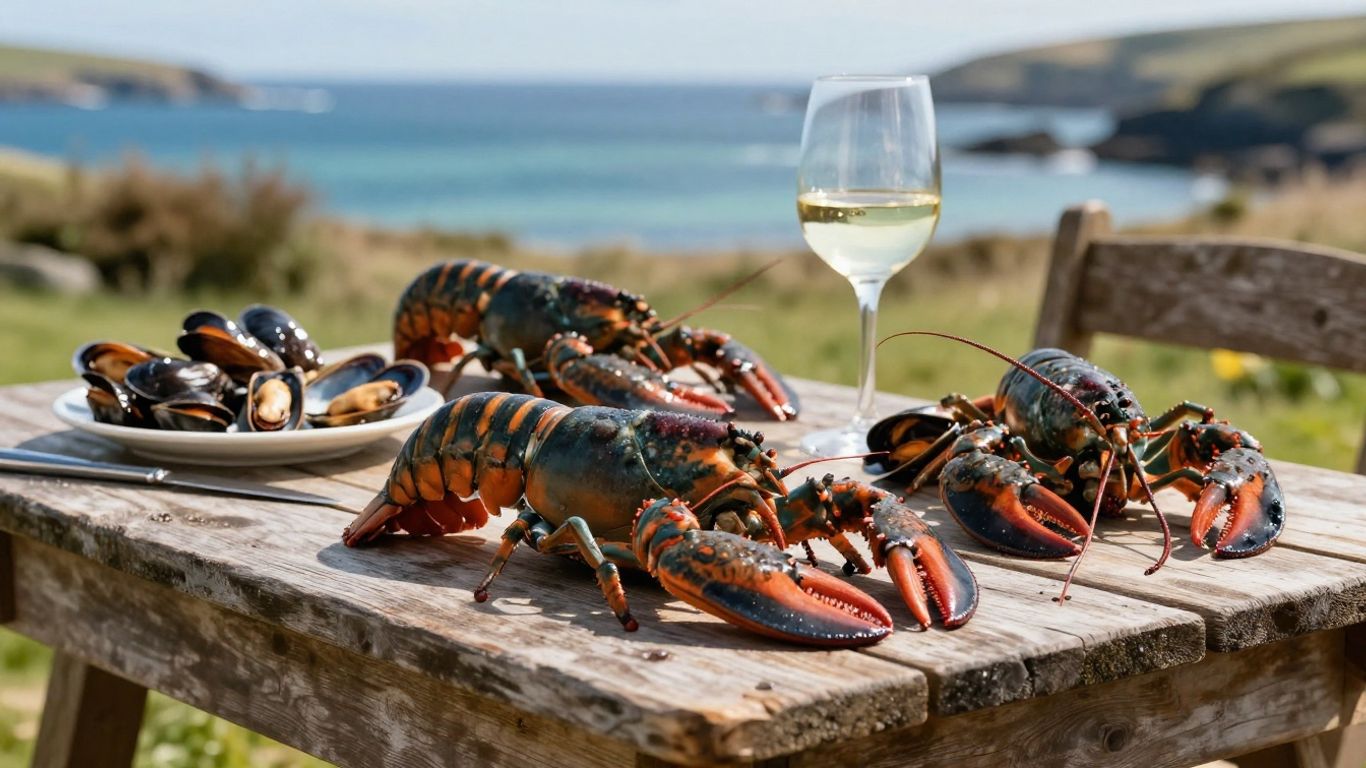
Cornwall’s coastline isn’t just pretty views; it’s a massive advantage for anyone looking to serve up the freshest seafood. Think about it – when your suppliers are literally pulling their catch from the water just a few miles away, the quality is just miles ahead. This proximity means that restaurants and eateries can showcase the absolute best of what the local waters offer, often on the very same day it’s landed.
Showcasing the Best of Local Catches
It’s a real selling point, isn’t it? Being able to tell diners, ‘This lobster was caught this morning just off the coast,’ or ‘These mussels come from a farm in the bay down the road.’ Places like the Roseland Peninsula are brilliant examples. You’ve got spots like Mevagissey, where you can practically buy sardines straight off the boat. Then there’s Portscatho, home to local seafood restaurants, which really knows how to let the quality of the seafood shine. Even Falmouth is packed with great fishmongers and places to eat, all celebrating what the sea provides.
The Importance of Research for Seafood Lovers
While Cornwall makes it easier, it’s still worth remembering that not all local catches make it to local plates. Sometimes, the best stuff gets shipped off elsewhere. So, for anyone really keen on experiencing the true taste of Cornish seafood, doing a bit of homework pays off. Knowing which restaurants prioritise local, seasonal catches and have good relationships with fishermen makes all the difference. It’s about finding those places that are genuinely connected to the source.
The Roseland Peninsula’s Seafood Destinations
This stretch of coast is a prime example of how a region can really embrace its seafood heritage. It’s not just about one or two famous spots; it’s a whole area buzzing with quality. You can find everything from simple, delicious fish and chips to more refined dining experiences, all built around the bounty of the sea. The direct connection from boat to plate is what makes dining here so special, offering a taste of Cornwall that’s hard to beat anywhere else.
Cornwall’s coast is a fantastic place for seafood lovers, with restaurants serving up the freshest catches. Being right here means we can get the best fish straight from the boats to your table. Fancy tasting the real flavour of the sea? Visit our website to see where you can enjoy these amazing dishes.
Looking Ahead: The Future of Cornish Seas
So, it’s pretty clear that Cornwall’s coast is more than just a pretty view. We’ve seen how folks like Gary at Westcountry Mussels and Daniel Gilbert are really making waves, not just with tasty mussels and lobsters, but by thinking smarter about how we get our seafood. It’s not just about catching what’s there; it’s about growing it sustainably and even helping out our wild stocks, like with the National Lobster Hatchery’s work. As demand for these ocean treats keeps going up, it’s these kinds of innovative ideas, working with nature rather than against it, that will keep our plates full and our seas healthy for years to come. It’s a win-win, really, and something we can all get behind.
Frequently Asked Questions
What makes Cornish lobster and mussels special for eating?
Cornish waters are great for growing shellfish. The mussels grow faster because the water is warmer, meaning they are plump and tasty. Lobster from Cornwall is also highly sought after because it’s seen as a premium product.
How is lobster and mussel farming in Cornwall done in a way that helps the environment?
Farming mussels doesn’t need extra food because they eat tiny things in the water. Mussel farms can even create new homes for other sea creatures. For lobsters, new methods are being developed that also don’t need lots of extra food, helping to boost wild populations.
What is the ‘Terroir’ of Cornish Mussels?
Terroir is a fancy word, usually used for wine, that means the taste comes from where it’s grown. For Cornish mussels, it means the clean sea water and the unique conditions off the coast give them a special, delicious flavour that people love.
Why is aquaculture, like fish farming, important for the future?
Many wild fish stocks are getting lower because people are eating more seafood. Farming fish and shellfish, known as aquaculture, helps provide enough seafood without emptying the oceans. It’s a more sustainable way to meet the demand.
How do local fishermen sell their shellfish?
Some fishermen, like those from Tizzardlee-on Shellfish, sell directly to people. They might sell from a van by the harbour or offer special barbecue packs. This lets customers buy really fresh seafood straight from the boat.
Can I visit places in Cornwall to eat fresh seafood?
Yes, Cornwall has many great spots for seafood! Places like the Roseland Peninsula offer fresh catches straight from the sea, and restaurants often highlight the best local shellfish. It’s worth doing a bit of research to find the best places.