Right then, let’s talk about seafood for restaurants down in the South West. By 2026, things might look a bit different, and getting the best bang for your buck is going to be key. We’re going to have a proper look at fresh versus frozen, what it means for your menu, and how to make sure you’re getting good quality stuff without breaking the bank. It’s all about that wholesale seafood value, isn’t it?
Key Takeaways
- Understanding the real cost and benefits of fresh versus frozen seafood is vital for setting menu prices and keeping profits healthy.
- Local catches in the South West are great, but you need to watch out for seasonal changes that can mess with availability and price.
- Frozen seafood can be a real lifesaver for restaurants, cutting down on waste and making sure you always have what you need.
- How seafood is frozen and prepared makes a big difference to how it tastes and feels, and customers might be more open to frozen than you think.
- Building solid relationships with your seafood suppliers is the best way to get consistent quality and good wholesale seafood value.
Understanding Wholesale Seafood Value
The Economics of Fresh vs. Frozen
When you’re running a restaurant, especially down here in the South West where seafood is king, figuring out the best way to buy your fish is a big deal. It’s not just about what tastes good; it’s about what makes financial sense. We’ve got two main options: fresh and frozen. Both have their own set of costs and benefits that can really affect your bottom line.
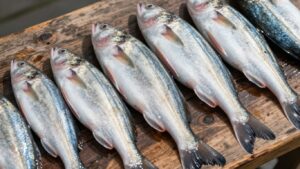
Fresh seafood, straight from the boat, sounds amazing, right? And it can be. But it also comes with a higher price tag. You’re paying for that immediate freshness, the quick turnaround from sea to plate. This often means a shorter shelf life, which can lead to waste if you haven’t sold it all. Think about it: if you order a whole lot of fresh fish on Monday and it’s not all gone by Thursday, you’re in trouble. That’s money literally going in the bin.
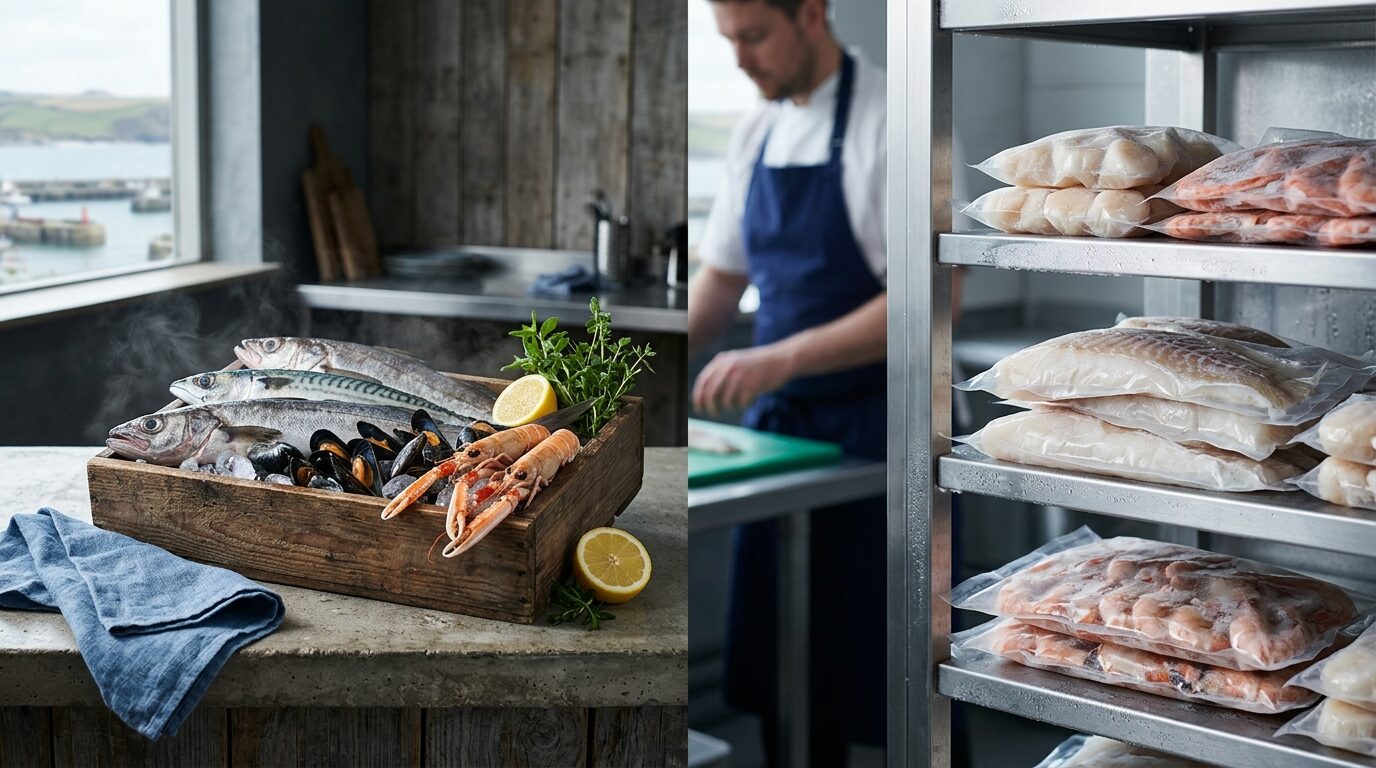
Frozen seafood, on the other hand, has changed a lot over the years. It’s not like the freezer-burnt fish sticks of old. Modern freezing techniques, especially flash-freezing right after the catch, lock in a lot of the flavour and texture. The big win here is the extended shelf life. You can buy in larger quantities when prices are good, store it for weeks or even months, and use it as needed. This predictability is gold for a busy kitchen. It means less panic buying and more control over your stock.
Here’s a quick look at how they stack up:
| Feature | Fresh Seafood | Frozen Seafood |
|---|---|---|
| Initial Cost | Generally higher | Often lower, especially when bought in bulk |
| Shelf Life | Short (days) | Long (months) |
| Waste Potential | Higher due to perishability | Lower due to extended shelf life |
| Availability | Can be seasonal and dependent on local catch | More consistent year-round |
| Quality | Can vary; peak freshness is key | Can be very high if properly frozen and stored |
So, while fresh might have that ‘just caught’ allure, frozen often offers a more stable and predictable cost structure. It’s about balancing that immediate appeal with the long-term economic realities of running a restaurant.
Impact on Menu Pricing and Profitability
How you buy your seafood directly impacts what you can charge on your menu and how much profit you actually make. It’s a bit of a balancing act, really. If you’re buying expensive, fresh fish, you’ve got to price it higher to cover your costs and make a decent profit. This can sometimes put certain dishes out of reach for some customers, or make your menu look a bit pricier compared to competitors.
Let’s say you’re serving a beautiful piece of locally caught sea bass. The cost per portion might be £15. To make a 70% gross profit margin, you’d need to sell that dish for around £50. That’s a high price point, and not every diner is looking to spend that much on a single main course. Plus, if you have a bad day and don’t sell all your fresh sea bass, that £15 per portion becomes a direct loss.
Now, consider using high-quality frozen cod. If you can buy it at a more stable price, say £8 per portion, and you’re aiming for that same 70% gross profit margin, you could price the dish at about £26.67. That’s a much more accessible price for a wider range of customers. Even if you have a few portions left over, the financial hit isn’t as severe because the initial cost was lower and the fish will still be good tomorrow.
The key is to understand your target customer and what they’re willing to pay. While premium fresh ingredients can justify premium prices, consistent quality and predictable costs from frozen options can allow for more competitive pricing and potentially higher overall sales volume.
This doesn’t mean you have to ditch fresh seafood entirely. Many restaurants use a mix. Perhaps a signature dish features a special local catch, while other popular items rely on reliable frozen options. The goal is to make smart choices that keep your customers happy and your business profitable.
Sourcing Strategies for Optimal Value
Getting the best value for your seafood isn’t just about picking the cheapest option. It’s about having a smart plan for where and how you buy. This means looking beyond just the price tag and thinking about the whole picture.
Here are a few ways to get more bang for your buck:
- Build Relationships with Suppliers: Don’t just jump between suppliers every week. Get to know a few reliable ones. When they know you’re a regular, they’re more likely to give you a heads-up on good deals, let you know when a great catch is coming in, or even offer better payment terms. It’s about trust and mutual benefit.
- Buy in Season and in Bulk (Carefully): Just like fruit and vegetables, some seafood is more abundant and cheaper at certain times of the year. If you can identify these peak seasons for the types of fish you use most, you can buy more when the price is low. If you’re going the frozen route, buying larger quantities can often bring the per-kilo price down significantly. Just make sure you have the storage space and that you’ll actually use it before it loses quality.
- Consider Different Cuts and Species: Sometimes, a less popular but equally tasty fish can be a fraction of the price of a well-known one. For example, mackerel or herring can be fantastic when prepared correctly and are often much cheaper than sea bass or cod. Similarly, buying whole fish and having your kitchen staff portion it can be more economical than buying pre-portioned fillets, provided you have the skills and time to do it.
- Explore Direct Sourcing: If you’re close enough to the coast, like we are in the South West, look into buying directly from local fishermen or small fishing cooperatives. This can cut out the middleman, potentially giving you fresher product at a better price. It also supports the local economy, which is a nice bonus.
It takes a bit of effort to set up these strategies, but the payoff in terms of cost savings and consistent supply can be huge. It’s about being proactive rather than just reacting to whatever is available and whatever the price is on the day.
Assessing Fresh Seafood Availability and Quality
Local Catch Considerations for the South West
When we talk about fresh seafood in the South West, we’re really talking about what’s landed right here on our doorstep. Think Cornish mackerel, Devon crab, or Brixham scallops. The closer the catch to your kitchen, the fresher it’s likely to be. This local connection isn’t just about bragging rights; it means shorter travel times, which helps keep the seafood in top condition. However, relying solely on local catches can be tricky. You’re at the mercy of the weather and the fishing seasons. Some days, the boats might not go out, or certain species might be out of season. It’s a bit of a gamble, but when it pays off, the quality is usually second to none.
Seasonal Fluctuations and Their Impact
Seafood isn’t like vegetables that you can grow year-round. Fish and shellfish have their own calendars. For example, oysters are often best in the colder months, while certain shellfish might be more plentiful in the summer. This means your menu might need to adapt. You can’t always promise a specific dish if the season isn’t right for that particular catch. This can affect menu planning and customer expectations. It’s a good idea to have a few ‘evergreen’ dishes that can use whatever is fresh and available, alongside your seasonal specials.
Here’s a rough idea of what you might expect:
- Spring: Mackerel, Plaice, Sole
- Summer: Crab, Lobster, Mussels, Sea Bass
- Autumn: Scallops, Oysters, Cod, Haddock
- Winter: Oysters, Cod, Haddock, Pollock
Maintaining Quality from Dock to Kitchen
Getting that fresh catch from the boat to your restaurant’s pass is a whole operation. It starts with the fishermen themselves, handling the catch properly at sea. Then, it’s about quick transport to the market or directly to you. Temperature control is key here – keeping everything chilled is non-negotiable.
The journey from the sea to the plate is a race against time. Every step, from the moment the net is hauled in to when it hits the pan, needs careful attention to preserve that just-caught quality. This means good handling on the boat, rapid cooling, and swift delivery.
Once it arrives at your restaurant, it needs to be stored correctly. This means:
- Immediate Refrigeration: Get it into a cold store as soon as possible.
- Proper Storage: Use clean, covered containers, ideally on ice, and never store it directly on the floor.
- First-In, First-Out (FIFO): Use the oldest stock first to minimise spoilage.
- Regular Checks: Visually inspect and smell the seafood daily to catch any signs of deterioration.
The Case for Frozen Seafood in Restaurant Operations
Extended Shelf Life and Reduced Waste
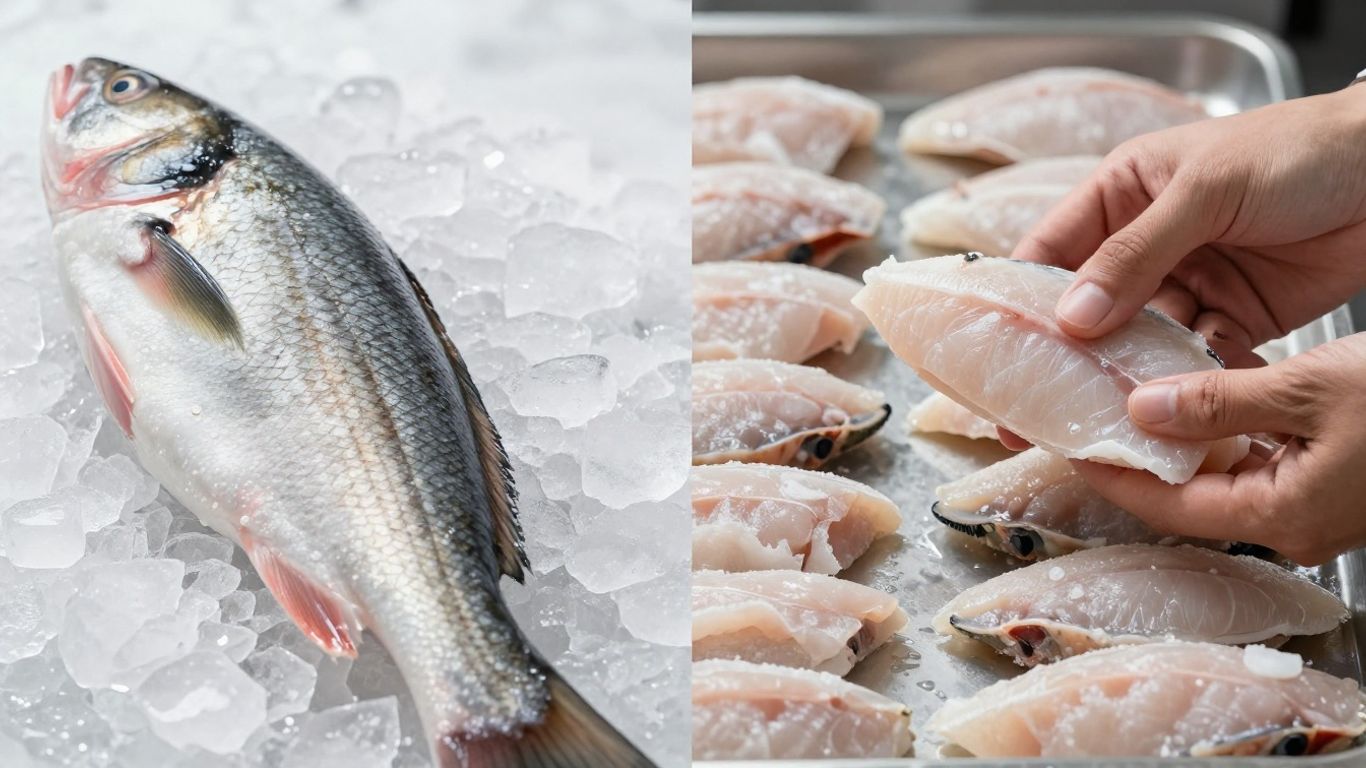
Let’s be honest, running a restaurant kitchen means dealing with a lot of moving parts, and keeping fresh ingredients at their peak can be a real headache. This is where frozen seafood really shines. Unlike its fresh counterpart, which can start to lose quality within a day or two, frozen seafood offers a much longer shelf life. This extended window means less worry about spoilage and a significant reduction in food waste. Think about it: if you’ve got a busy weekend and then a slower Monday, you don’t have to stress about that expensive fish going off. You can simply pull what you need from the freezer. This predictability is a game-changer for managing inventory and keeping costs down.
Consistency in Supply and Quality
One of the biggest challenges with fresh, local seafood is its variability. Weather, fishing seasons, and even market demand can mean that what you ordered yesterday might not be available today, or the quality might be different. Frozen seafood, on the other hand, provides a level of consistency that’s hard to beat. Reputable suppliers freeze their catch at peak freshness, often within hours of being landed. This process locks in the flavour and texture. So, whether it’s cod for your fish and chips or prawns for a special, you can generally expect the same quality, week in and week out. This reliability is vital for maintaining a stable menu and customer satisfaction.
Convenience and Labour Savings
Beyond just reducing waste and ensuring consistency, frozen seafood offers practical benefits in the kitchen. It often comes pre-portioned or in convenient forms, meaning less prep time for your chefs. No need to spend ages scaling, gutting, or filleting if you’re buying it that way. This can free up valuable kitchen time, especially during busy periods. Plus, storage is generally simpler – a good freezer is all you need. This convenience translates directly into labour savings, which, as we all know, is a major factor in restaurant profitability.
While the idea of ‘fresh’ often carries a premium, the practicalities of running a busy kitchen in 2026 mean we can’t ignore the advantages of frozen. It’s not about choosing one over the other entirely, but understanding where frozen seafood can genuinely support your operations, reduce stress, and improve your bottom line.
Here’s a quick look at how frozen seafood can help:
- Reduced Spoilage: Less product thrown away means more money saved.
- Predictable Stock: Easier to plan menus and order quantities.
- Consistent Quality: Customers get the same great taste every time.
- Time Savings: Less prep work for kitchen staff.
- Cost Control: Often more budget-friendly than premium fresh options.
Culinary Implications: Taste and Texture
Right then, let’s talk about how seafood actually tastes and feels when you eat it, especially when you’re thinking about using frozen stuff in your South West restaurant. It’s not as simple as just saying ‘fresh is best’ or ‘frozen is fine’. There’s a bit more to it.
Impact of Freezing on Seafood Integrity
When fish is frozen, especially if it’s done quickly and at the right temperature, the ice crystals that form are tiny. This means they don’t do as much damage to the cell structure of the fish. Think of it like this: quick freezing is like a gentle hug, while slow freezing is more like a rough shove. The better the freeze, the closer the fish stays to its original texture and flavour. However, if fish is frozen slowly, or thawed and refrozen, those ice crystals get bigger, break down the cell walls, and you end up with a mushier texture and a less vibrant taste when you cook it. The quality of the initial freezing process is absolutely key.
Techniques for Maximising Frozen Seafood Potential
So, you’ve got your frozen seafood. What now? It’s not just a case of chucking it in a pan. Proper thawing is a big deal. The best way is usually in the fridge overnight. This allows it to thaw slowly and evenly, keeping more of its moisture and texture. Avoid thawing at room temperature or, heaven forbid, in hot water – that’s a recipe for disaster, making the outside mushy while the inside is still frozen. Once thawed, treat it gently. Overhandling can break down the delicate flesh. For cooking, think about methods that add moisture and flavour back in. Poaching, steaming, or baking in a sauce can work wonders. Pan-searing is also good, but you need to be quick to avoid drying it out. Using marinades or brines can also help rehydrate and add flavour.
Guest Perception of Freshness
This is where things get interesting. People often have a strong idea about what ‘fresh’ means, and sometimes that idea is based more on what they expect than what they can actually taste. If you serve a beautifully cooked piece of high-quality frozen fish, and it’s prepared well, most guests won’t know the difference. They’re looking for a delicious meal. However, if the frozen fish hasn’t been handled properly – if it’s been thawed badly or is past its best – then yes, they’ll notice. It’s about managing expectations and, more importantly, managing the product. Transparency can sometimes help; if you’re proud of the quality of your frozen seafood, there’s no shame in saying so. It’s about the end result on the plate, not just the journey it took to get there.
Navigating Supplier Relationships for Value
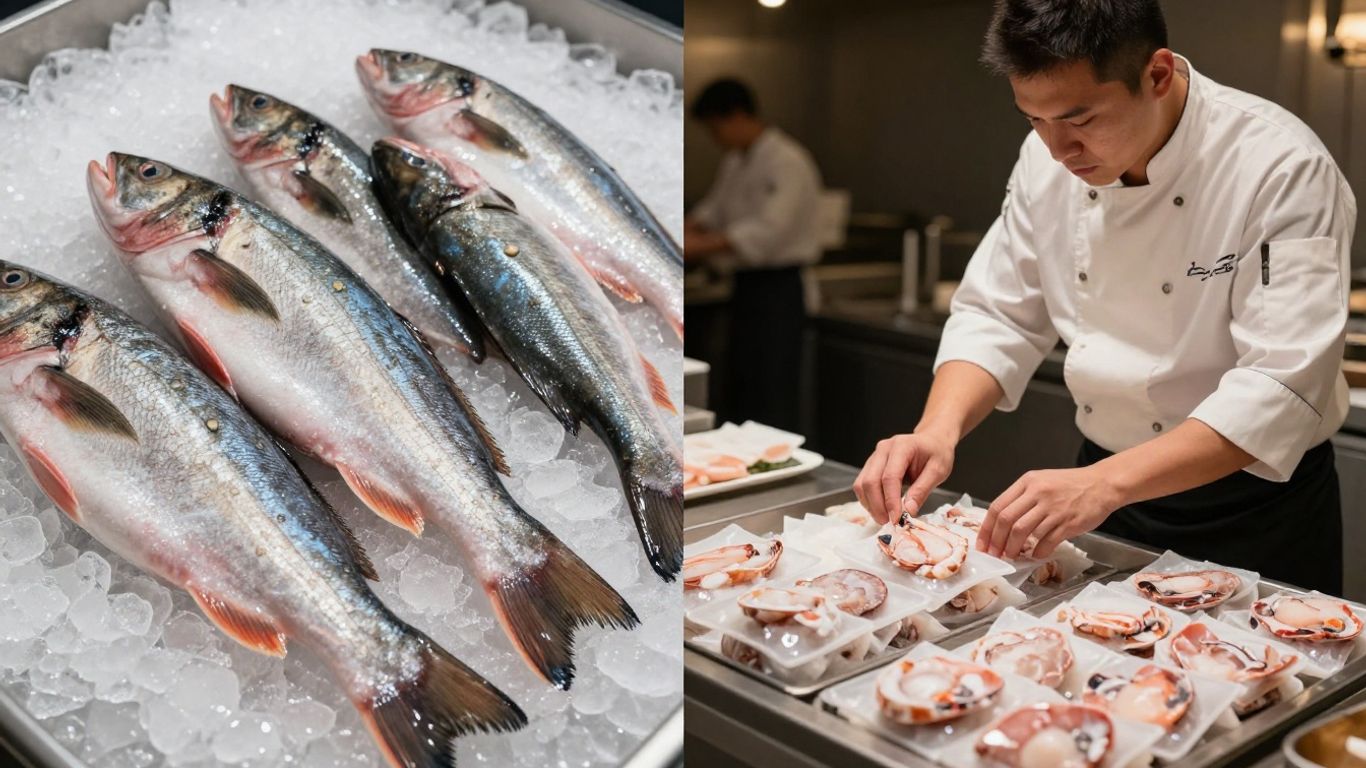
Finding the right seafood supplier is a bit like finding a good mate – it takes time, effort, and a bit of luck. But once you’ve got a solid partnership, it can make all the difference to your kitchen’s bottom line and the quality of the dishes you serve. It’s not just about the cheapest price, though that’s important, it’s about reliability, consistency, and a supplier who understands what you need.
Building Partnerships for Consistent Supply
Think of your supplier as an extension of your own team. A good relationship means they’ll be more likely to give you a heads-up about great catches, potential shortages, or even new products that might suit your menu. Regular communication is key here. Don’t just call when you need something; check in, ask about their sourcing, and share feedback on the fish you’ve received. This kind of dialogue helps build trust and makes them more invested in your success. For restaurants in the South West, looking for suppliers with a long history in the region, like a leading seafood supplier, can often mean better access to local, seasonal catches.
Negotiating Terms for Wholesale Seafood Value
When it comes to getting the best deal, don’t be afraid to talk numbers. Understand the market rates for the types of seafood you regularly use. Are you buying enough to qualify for bulk discounts? Can you commit to a certain volume over a period to secure a better price? It’s worth exploring different payment terms too – sometimes a slightly longer payment window can help with your own cash flow. Remember, it’s a negotiation, not a demand. Be prepared to walk away if the terms aren’t right, but also be willing to compromise.
Here’s a quick look at factors to consider when negotiating:
- Volume: How much do you buy annually?
- Commitment: Are you willing to sign a longer-term contract?
- Payment Terms: What are your current terms, and can they be improved?
- Delivery Schedule: Does their schedule align with your needs?
Evaluating Supplier Reliability and Service
Reliability is everything in the restaurant business. If your supplier promises delivery by 9 am, you need that fish to arrive at 9 am, not 11 am. Late deliveries can throw your entire service into chaos, leading to unhappy customers and wasted prep time. Check their track record. Do they have a good reputation for on-time deliveries? What’s their policy if something goes wrong – say, a delivery is short or the quality isn’t up to scratch? A supplier who handles issues promptly and professionally is worth their weight in gold. It’s also worth considering their sustainability practices; many customers are increasingly interested in where their food comes from.
A supplier that offers consistent quality and dependable delivery is more valuable than one that offers a slightly lower price but can’t be counted on. Think about the true cost of a missed delivery or a batch of subpar fish – it’s far more than just the invoice amount. It impacts your reputation and your ability to serve your customers effectively.
Future Trends in Seafood Procurement for 2026
Looking ahead to 2026, the way South West restaurants source their seafood is set to evolve. It’s not just about what’s on the menu anymore; it’s about how it gets there and the story behind it. We’re seeing a real shift towards more conscious buying habits, driven by both consumer demand and a growing awareness of our planet’s resources.
Sustainability and Ethical Sourcing
This is becoming non-negotiable. Diners want to know their fish isn’t contributing to overfishing or damaging marine ecosystems. Expect to see more restaurants highlighting their commitment to sustainable seafood on their menus. This means looking for certifications like the Marine Stewardship Council (MSC) or working with suppliers who can prove their ethical practices. It’s about more than just a buzzword; it’s about responsible business.
- Traceability: Knowing exactly where your seafood comes from, from the boat to your plate.
- Eco-friendly fishing methods: Supporting practices that minimise bycatch and habitat destruction.
- Fair labour practices: Ensuring the people who catch and process the seafood are treated well.
Technological Advancements in Preservation
Technology is playing a bigger role in keeping seafood fresh and accessible. While freezing has been around for ages, new methods are emerging. Think advanced flash-freezing techniques that lock in flavour and texture better than ever before. There’s also a lot of work being done on smart packaging that can monitor freshness and even extend shelf life without compromising quality. This could mean more consistent access to a wider variety of species, regardless of local availability.
Adapting to Market Demands and Consumer Preferences
Consumer tastes are always changing, and 2026 will be no different. We’re seeing a rise in demand for plant-based options, but also a continued appreciation for high-quality, well-sourced seafood. Restaurants will need to be agile. This might mean offering more diverse seafood options, perhaps focusing on lesser-known but sustainable species, or even exploring alternative protein sources that complement seafood dishes. Building strong relationships with suppliers, like those found at Rex Down, will be key to staying ahead of these shifts and securing the best products.
The future of seafood procurement isn’t just about filling orders; it’s about building a resilient, ethical, and appealing supply chain that meets the expectations of both chefs and diners in the coming years. It requires a proactive approach to sourcing and a willingness to embrace new ideas.
Looking ahead to 2026, the way we get our seafood is set to change. We’ll see new ideas about where fish comes from and how it gets to us. Want to know more about these exciting changes and how they might affect your business? Visit our website today to get the latest insights and stay ahead of the curve.
So, Fresh or Frozen for Your South West Kitchen?
Right then, after all that chat about fish, it looks like there’s no single easy answer for restaurants in the South West come 2026. Fresh seafood, when you can get it locally and it’s top-notch, is always going to have a certain appeal, especially for those dishes where texture is everything. But let’s be real, relying solely on fresh can be a headache with supply chains and seasonality. Frozen, on the other hand, has really come a long way. Modern freezing techniques mean you can get some seriously good quality fish that’s just as tasty and often much more reliable for your menu. It means you can offer a wider variety of seafood year-round without breaking the bank or stressing about what the tide brought in. For most places, a smart mix of both is probably the way to go. Use the best fresh catches when they’re around, and keep a good stock of quality frozen options for consistency and to keep those costs in check. It’s all about finding that sweet spot that works for your kitchen, your customers, and your bottom line.
Frequently Asked Questions
What’s the main difference between fresh and frozen seafood for restaurants?
Fresh seafood is caught and delivered without being frozen. Frozen seafood is chilled and then frozen soon after being caught. For restaurants, frozen seafood can be a great option because it lasts much longer, meaning less waste and a more reliable supply, even when local catches are low.
Can frozen seafood taste as good as fresh seafood?
With modern freezing methods, the taste and texture of frozen seafood can be very close to fresh, especially if it’s flash-frozen right after being caught. The key is how it’s handled and cooked. Sometimes, frozen seafood can even be better if the ‘fresh’ seafood has travelled a long way and isn’t truly fresh by the time it reaches the kitchen.
How does using frozen seafood affect a restaurant’s costs?
Using frozen seafood can often save restaurants money. It lasts longer, so you throw less away. It’s also usually cheaper to buy in bulk, and it can reduce the amount of skilled labour needed for preparation compared to dealing with whole fresh fish.
Is it easier to get a steady supply of frozen seafood compared to fresh?
Yes, generally. Fresh seafood availability can change a lot depending on the weather, fishing seasons, and where you are. Frozen seafood offers a more predictable supply year-round, which helps restaurants plan their menus and keep customers happy without running out of popular dishes.
Does the South West region have specific advantages for sourcing fresh seafood?
The South West is known for its beautiful coastline, meaning restaurants can often get fantastic local catches. However, this can also mean prices and availability change with the seasons and weather. While local sourcing is great for quality and supporting local fishermen, it requires careful planning.
What should restaurants look for when choosing a seafood supplier?
It’s important to find suppliers you can trust. Look for ones who are reliable, provide consistent quality (whether fresh or frozen), are transparent about where their seafood comes from, and offer good prices. Building a good relationship with your supplier can lead to better deals and a more stable supply chain.